
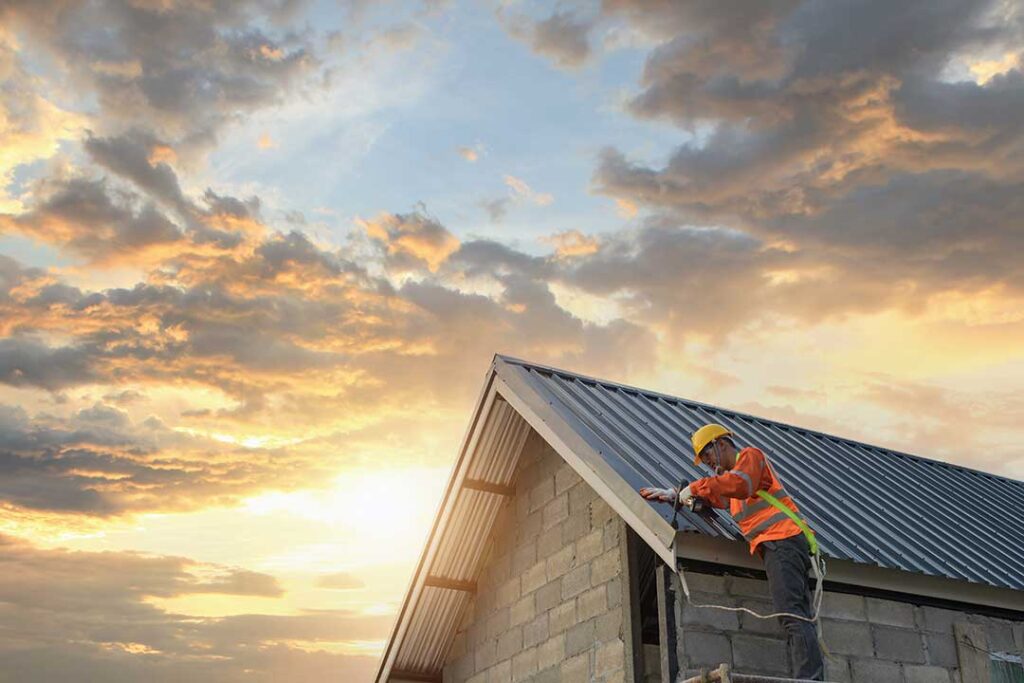
Why Check Your Roof After a Storm?
Storms in Endicott, NY, especially during late summer and throughout the winter season, can bring strong winds, hail, heavy rain, or wet snow that may cause both obvious and hidden roof damage. Regular roof checks after such weather help area residents avoid leaks, mold growth, and expensive structural issues down the line.
What Are the Most Common Signs of Storm-Related Roof Damage?
The most visible signs include:
- Missing, cracked, or curled shingles
- Piles of shingle granules in gutters or on the ground
- Dented metal flashing, vents, or gutters
- Fallen tree branches or large debris on the roof
Less obvious damage often includes loose flashing around chimneys, small punctures hidden by leaves, or weakened sections in older roofing materials. In Endicott—where many homes have older roofs—water may seep through small breaches that aren’t immediately noticeable.
How Can You Inspect Your Roof Safely?
Start by walking around your property from the ground to spot visible issues. Use binoculars to check the roof more closely from different angles, especially if you have a steep roof or a multi-story home. Do not climb onto the roof unless you are sure it is stable, dry, and the weather has fully cleared. Ice, wet leaves, and loose shingles can make even a mild slope hazardous.
If you suspect roof damage but cannot verify it safely from below, it is better to wait before attempting any direct inspection. In Endicott, local building codes do not require homeowners to inspect their own roofs—so avoid unnecessary risk.
What Should You Look for on the Ground After a Storm?
Inspect your yard and the immediate area around your house. Storms often scatter shingle fragments, nails, or flashing. Pools of water, especially near the base of exterior walls, can signal blocked gutters or downspouts. Keep an eye out for unusually large branches or any sign that debris has slid off or impacted the roof.
Are Leaks or Water Stains Always Evidence of Roof Damage?
Spotting a drip indoors or stains on a ceiling after a storm is a clear sign something may be wrong, but the source isn’t always on the roof itself. In Endicott homes with older flashing or improper attic ventilation, condensation may mimic a leak. Double-check the attic for insulation problems, as trapped moisture here can make leaks worse or harder to locate.
What Are Some Overlooked Areas During a Post-Storm Check?
Several trouble spots are often missed:
- Roof valleys, where two sections meet, are prone to collecting debris and channeling rainwater.
- Around skylights or dormers, seals and flashing may loosen after impact from hail or flying branches.
- Chimney flashing is commonly disturbed by heavy snow or ice sliding off a steep pitch.
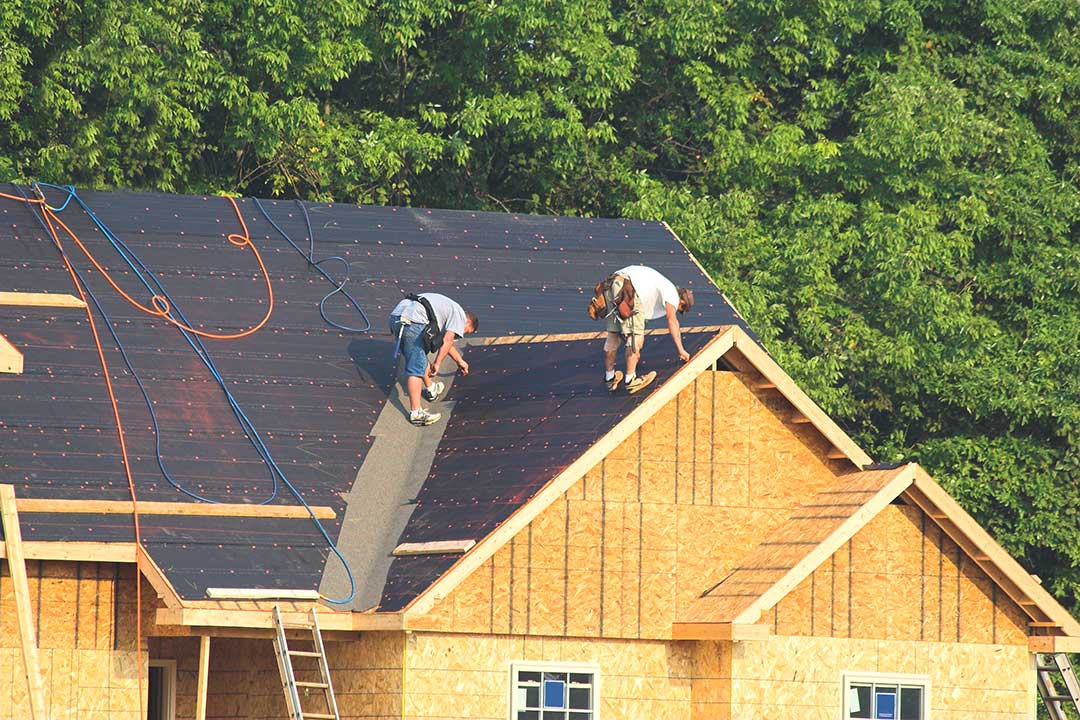
Taking a few moments to check these out-of-the-way spots can prevent slow-developing leaks that cause damage between storms.
How Can Local Weather Patterns Affect Roof Damage?
Endicott’s humid summers and icy winters mean roofs expand and contract with the seasons, which can compound small storm-related problems. Freeze-thaw cycles in the colder months often turn minor shingle cracks into wider splits. Heavy autumn leaf fall can hide storm damage by blocking gutters or covering punctures. These local seasonal factors mean that what looks like a small issue in early fall might become an urgent problem by the spring thaw.
What Immediate Steps Should Residents Take After Discovering Damage?
If an issue is clearly visible and weather is calm:
- Clear away small, loose debris with a broom or by hand (without climbing onto a wet or icy roof).
- Make temporary repairs with tarps or waterproof materials, if easily accessible, to minimize water entry until a permanent repair is possible.
- Document any damage with photos for personal records or future insurance claims.
In the event of electrical hazards (such as downed power lines) or large tree falls directly on the roof, safety is the main concern—keep away from the affected area until it is secured or evaluated by local emergency services.
Can Insurance Cover Roof Damage from Endicott Storms?
Many area homeowners have insurance policies that address storm-related roof damage; however, coverage can vary by policy and type of event (wind, hail, ice). Insurance companies may require documentation of damage soon after the incident. Keeping written and photographic records is worthwhile even if you are unsure about coverage at the moment of discovery.
How Often Should Endicott Residents Check Their Roofs After Storms?
For typical single-family homes in the city, a careful inspection after any significant storm— especially those with high winds, hail, or unusual snowfall—provides peace of mind. Older roofs or those with a history of minor leaks may benefit from being checked more frequently during peak storm seasons. Staying alert to new marks or water signs, even weeks after a weather event, can make the difference in catching slow leaks before they worsen.
