
Hail can damage roofing materials without creating an obvious leak. In Endicott, NY, a storm may leave behind small impact marks, loosened granules, cracked shingles, or damage to metal flashing that becomes more serious after repeated rain and freeze-thaw cycles.
Knowing what to look for helps residents document possible damage, reduce safety risks, and understand when a roof needs closer evaluation.
What does hail damage look like on a roof?
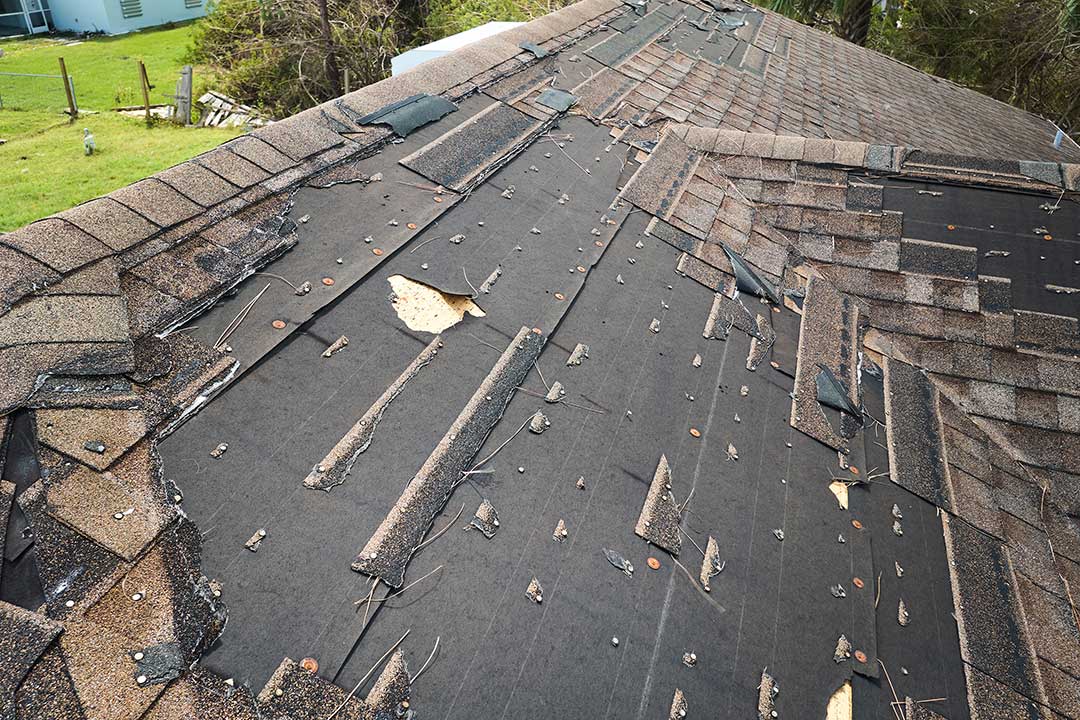
Hail damage often appears as round or irregular impact marks on shingles, metal components, vents, gutters, and siding. The damage may be easy to miss from the ground, especially when hailstones are small or the roof has a dark, textured surface.
Common signs include:
- Dark spots where shingle granules have been knocked away
- Exposed fiberglass mat beneath the shingle surface
- Cracks, splits, or bruising in asphalt shingles
- Shingles that look scraped, dented, or uneven
- Dents in metal flashing, vents, chimney caps, or gutters
- Loose granules collected in gutters or at the base of downspouts
- New leaks or water stains inside the building
A hail impact does not always puncture a shingle. Instead, it can weaken the surface or break the shingle’s protective coating. The roof may continue to shed water for a while, but the affected area can deteriorate more quickly during sun exposure, heavy rain, snow, and winter temperature changes.
Can hail damage be seen from the ground?
Some damage is visible from the ground, but a complete inspection usually is not possible without viewing the roof surface closely. Binoculars can help identify missing granules, uneven shingles, or dents in metal components, but they may not reveal bruising or small cracks.
From ground level, look for:
- Shingles that appear darker or smoother than surrounding areas
- Uneven lines or lifted shingle edges
- Missing pieces around roof edges or ridges
- Dents in gutters, downspouts, flashing, and metal vents
- Hail marks on siding, window screens, fences, or outdoor equipment
Damage to nearby surfaces can provide useful evidence that hail reached the property. However, the absence of dents on siding or metal does not prove that the roof is undamaged. Roof materials, roof angles, tree cover, and the size and direction of the hail can all affect what is visible.
How is hail damage different from normal roof aging?
Hail damage is usually localized and impact-related, while ordinary aging tends to appear more evenly across the roof. Weathered shingles may lose granules gradually, curl at the edges, become brittle, or show widespread discoloration.
Possible signs of hail impact include:
- A concentrated group of circular depressions
- Fresh-looking granule loss surrounded by otherwise intact shingles
- Cracks that radiate from a specific impact point
- Damage on one roof slope but not another
- Dents in metal items that align with the direction of the storm
Aged shingles can also be damaged by hail more easily than newer shingles because they may already have reduced flexibility. This can make it difficult to determine whether a particular mark came from the storm or from long-term exposure. Comparing affected shingles with protected areas, such as those beneath roof equipment or overhangs, can provide additional context.
What parts of the roof should be checked?
The shingles are only one part of the roofing system. Hail can affect several components, and damage in one area may be more visible than damage in another.
Inspect, from a safe location, the following areas:
Shingles
Look for missing granules, dents, cracks, exposed matting, and breaks around the edges. Pay attention to ridge caps, which can receive direct impact because they are raised above the surrounding roof surface.
Roof edges and flashing
Flashing around chimneys, walls, valleys, skylights, and roof penetrations may show dents or bending. Damaged flashing can allow water to enter even when the shingles appear intact.
Gutters and downspouts
Hail may leave small dents or chips in metal gutters. Granules washing into gutters after a storm may indicate surface damage, although some granule accumulation is normal on an older roof.
Vents and roof-mounted equipment
Metal vents, caps, and covers can show impact marks. Plastic components may crack or become displaced. Any opening in the roofing system deserves attention because it can create a path for water.
Attic and interior spaces
After a suspected storm, check the attic for damp insulation, darkened wood, dripping water, or daylight visible through the roof deck. Inside the living space, inspect ceilings and upper walls for fresh stains, bubbling paint, or peeling surfaces.
Is every roof mark caused by hail?
No. Roof marks can result from several conditions, including foot traffic, falling branches, wind-blown debris, manufacturing defects, animals, and long-term weathering.
Foot traffic often causes scuffing or irregular damage along walking paths. Branch impacts may create larger tears or punctures. Wind may lift or crease shingles without leaving a round impact mark. Mechanical damage near vents or other equipment may also resemble storm damage.
Hail marks are more likely to be genuine impact damage when they appear in a random pattern, affect exposed surfaces, and occur alongside evidence on gutters, flashing, siding, or outdoor property.
Why can hail damage become worse during winter?
Endicott experiences conditions that can place repeated stress on roofing materials, including heavy precipitation, snow, ice, and cycles of freezing and thawing. A small crack or weakened shingle may allow moisture to enter beneath the surface. If that moisture freezes, it expands and can worsen the separation.
A damaged roof may not leak immediately. Water can travel beneath shingles or along roof decking before appearing inside the building. This is why a roof that seems dry immediately after a storm may still require monitoring, particularly after the next period of sustained rain or melting snow.
What should residents do after a hailstorm?
Begin with observations from the ground and document the date of the storm if it is known. Take photographs of visible marks on the roof edges, gutters, siding, screens, and other surfaces. Avoid walking on the roof, climbing wet ladders, or touching loose electrical components.
Afterward:
- Check attic and upper-floor ceilings for moisture or staining.
- Keep a record of any new leaks, damaged materials, or fallen debris.
- Move valuables away from areas showing signs of water entry.
- Use temporary containers to catch interior drips, but do not disturb damaged ceiling materials that may be heavy or unstable.
- Keep children and pets away from loose roofing materials and wet areas near electrical fixtures.
- Review applicable insurance documents and preserve photographs before making non-emergency changes.
If water is actively entering near electrical wiring, fixtures, or panels, avoid the area and treat it as a safety issue. Roof access should also be avoided when surfaces are wet, icy, steep, or visibly unstable.
How can hail damage be confirmed?
Confirmation usually requires close inspection of the roof surface and related components. A qualified roofing or building professional may examine the shingles, flashing, attic, and interior areas to distinguish hail impacts from age-related wear or other causes.
Useful documentation includes:
- Photos taken from several angles
- The approximate storm date
- Visible damage to surrounding property
- Interior leak records
- Previous roof repair or replacement information
- Notes about changes noticed after rainfall
A careful evaluation should identify the location and type of damage rather than simply labeling a roof as storm-damaged. Small defects, widespread deterioration, and isolated impact marks can require different responses, so accurate observation matters.
