
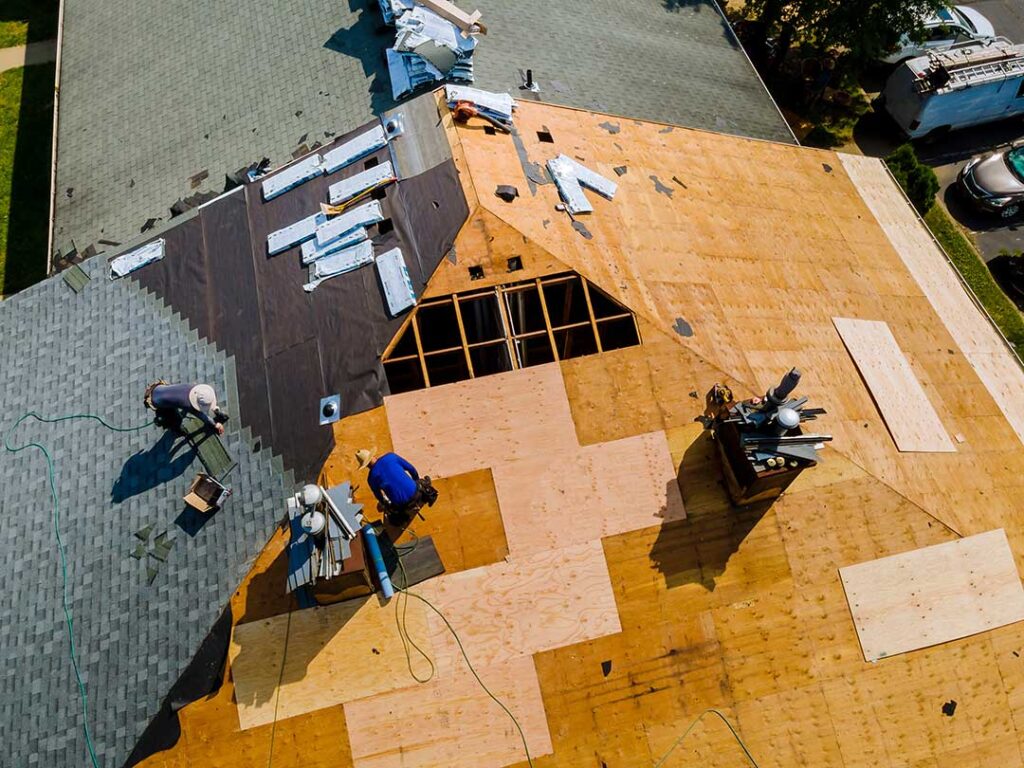
What Causes Shingle Curling and Cracking in Endicott, NY?
Shingle curling and cracking are common concerns for local homeowners, especially given the area’s seasonal temperature swings and variable weather. These issues usually start with age, but can be accelerated by winter freeze-thaw cycles, strong sun in summer, and attic ventilation problems. In Endicott, roof shingles endure several tough winters followed by humid summers, which stresses roofing materials.
Major causes include:
- Aging asphalt shingles nearing or passing their expected lifespan
- Poor attic ventilation, leading to trapped heat and moisture
- Inadequate roof installation or insufficient underlayment
- High winds, hail, or prolonged sun exposure
- Ice damming from heavy snowfall or inconsistent roof heating
Understanding the source can help prevent future damage and target repairs where needed.
How Can Residents Tell if Their Shingles Are Curling or Cracking?
Spotting these issues early helps prevent water leaks and deeper roof problems. Shingle curling typically appears as edges turning upward or cupping, making the tabs look lifted from the roof deck. Cracking shows as visible splits, often in parallel lines or scattered across each shingle.
To inspect shingles safely from the ground:
- Look for uneven roof surfaces or tabs that appear lifted
- Notice any exposed felt or roof deck at shingle edges
- Scan for visible cracks, especially after hail or storms
- Check for granules in gutters, which often accompany shingle wear
Some residents use binoculars to get a closer look without climbing ladders. However, if curling or cracking is suspected across a large area or after severe weather, extra caution is warranted during any direct inspection.
What Problems Arise from Ignored Shingle Damage?
Leaving damaged shingles untreated can create significant problems over time. In Endicott’s climate, water intrusion from cracked or curled shingles can quickly affect attic insulation or even interior ceilings.
Possible consequences include:
- Leaks during rain, especially in areas with flashing or valleys
- Mold growth in attics due to repeated dampness
- Accelerated roof deck deterioration
- Increased utility costs from lost attic insulation effectiveness
- Ice dams worsening in winter, trapping water
Addressing trouble early limits further expenses and protects home safety during heavy rainfall and snow.
Are There Simple At-Home Fixes for Minor Curling?
Minor edge curling sometimes responds to basic fixes, particularly if caught early and if the shingle is still pliable. Residents may be able to glue down loose shingle edges with roofing-specific sealant during a dry, mild day. Weighting the repaired area with a brick (with a protective layer to prevent damage) while the adhesive cures can help restore flatness.
Preventative maintenance tips:
- Keep gutters clear for proper roof drainage
- Trim branches that can shade and keep roof moisture high
- Watch attic humidity and ensure vent fans are working
It’s important not to attempt repairs during wet or icy conditions, and to avoid forcing brittle or severely cracked shingles back into place, as this may cause further breakage.
When Is Replacement Necessary Rather Than Repair?
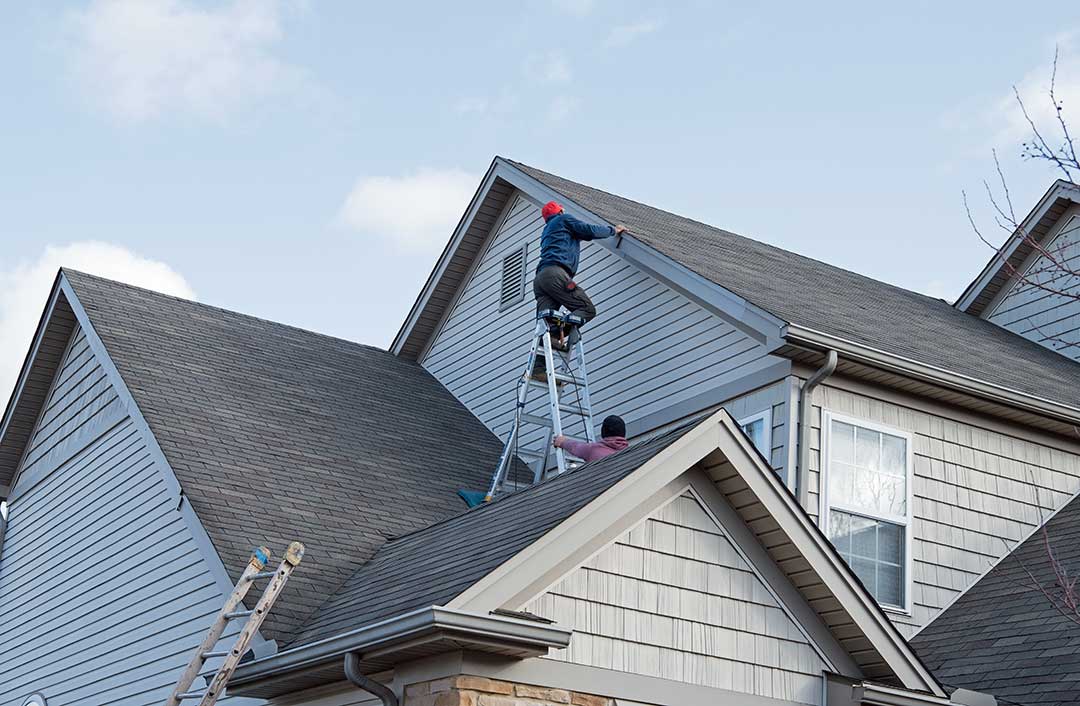
If the majority of a roof section has curling or widespread cracking, repair efforts usually offer only a temporary patch. Shingles that have lost much of their grit, show signs of dry rot, or have curled so severely that adhesive won’t hold suggest it’s time to consider replacement.
Replacement may be needed if:
- Shingles are over 20 years old (or as indicated by manufacturer guidelines)
- Cracking or curling appears on both southern and northern exposures
- Multiple leaks or ceiling water stains are found indoors
For complete roof layers with advanced wear, local households often find that full replacement is safer and less costly than constant small repairs, especially before resale or after major storms.
How Does Endicott’s Climate Affect Shingle Lifespan?
Homes in Endicott endure a true four-season climate, meaning roofs must handle snow loads, spring rains, summer humidity, and autumn winds. The repeated freeze-thaw process can make shingles more prone to edge curling, particularly on north-facing roof slopes or those shaded by evergreens. Direct sun on south and west roof exposures can cause cracking as shingles become brittle over years.
Area households also frequently need to be alert for ice dam formation, especially after a wet snowstorm followed by a temperature dip. Ice dams hold water against the roof, pushing moisture beneath cracked or curled tabs.
Routine visual checks, especially each spring and fall, help catch age- and weather-related shingle problems.
What Are Common Misconceptions About Shingle Damage in This Area?
Many residents expect shingle problems only on older homes, but newer roofs in the city can also show these issues if installation skipped ventilation or flashing steps. Another belief is that shingle curling only signals “old age,” but severe storms, repeated snow removal, or attic issues can also play a key role.
It’s a mistake to assume that curling and cracking won’t lead to leaks simply because no immediate dripping is visible inside. Moisture may be trapped in the underlayment, damaging structural wood before leaks reach finished ceilings.
Finally, some think DIY patching will “reset the clock” on a curling roof, but ongoing edge lifting typically returns after a harsh season unless the underlying ventilation or material aging problems are solved.
What Can Be Done to Prevent Future Shingle Issues?
Prevention hinges on regular maintenance and monitoring before damage grows. In Endicott, typical prevention steps include:
- Maintaining attic airflow with regularly checked soffit and ridge vents
- Prompt snow removal (by roof rake, not shovels, to avoid surface damage) after major storms
- Ensuring gutters stay clear to direct meltwater away
- Scheduling after-storm visual reviews, especially following hail or high winds
Homeowners planning replacements can look for shingles rated for northern climates. Adequate attic insulation also helps keep roof temperatures consistent through winter, further reducing the chance for curling and ice dams.
With steady upkeep, many local roofs can outlast their base warranty and provide solid protection for decades.
