
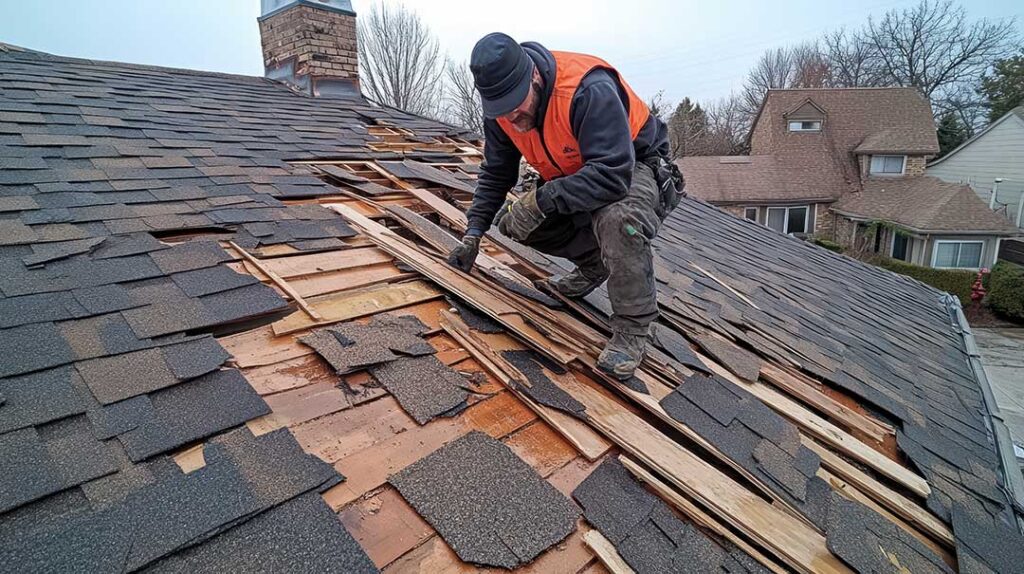
What Should Homeowners in Endicott, NY Look for When Evaluating Roofing Contractors?
Start by confirming basic qualifications. Local homeowners should first verify that any roofing contractor holds proper licensing for residential work in New York State, carries current liability insurance, and can provide proof of workers’ compensation. For area homes—whether you're in a century-old neighborhood or a newer subdivision—these basics protect you from unexpected costs or liability if injuries or damage occur during your project.
Ask for documentation in writing. Reliable contractors expect this request and supply it without hesitation. You may also want to check with the local town office to see if certain projects require additional permits in Endicott.
How Can Residents Check a Contractor’s Local Experience and Reputation?
Direct answers from neighbors and long-term residents are invaluable. Ask friends, family, and neighbors about their firsthand experiences with local roofing projects. Online reviews can help, but they sometimes reflect broader regional service areas, so prioritize input from people in the community who have tackled similar roof repairs or replacements.
Some additional ways to assess reputation include:
- Checking if the contractor is familiar with common roofing materials used throughout area homes, such as asphalt shingles, metal, or slate.
- Looking for consistency in review comments regarding quality, timeliness, and communication, rather than focusing on one negative or positive review.
- Asking about past projects with similar challenges—such as ice dams, heavy snow loads, or ventilation issues—that affect local homes.
Remember, contractors rooted in the community are typically easier to reach if you need follow-up or warranty assistance.
What Questions Should Be Asked During Contractor Interviews?
Clarify specifics to get a clear picture of professionalism and process. Some questions worth asking:
- Who will oversee the project each day?
- How will the job site be protected and cleaned up, especially with seasonal weather changes?
- What is the timeline for completion, and how are delays communicated?
Discuss how materials are chosen and delivered—Endicott’s variable weather can impact delivery schedules, installation timing, and proper material storage. Contractors should have a plan for storing materials safely if unexpected rain or wind threatens to interrupt the work.
Why Does Local Knowledge Matter for Roofing Projects?
Area climate plays a major role in roof performance. Roofing contractors who regularly work in Endicott are more likely to understand how the region’s heavy winter snow, spring rainfall, and fluctuating temperatures affect common roofing systems.
Some examples:
- Proper attic insulation and ventilation to prevent ice damming, which is a frequent issue in neighborhoods with older homes or complex rooflines.
- Selection of materials rated for freeze-thaw cycles and resistant to algae growth, which can be a concern in shaded lots.
Local experts will also know if your neighborhood has ordinances about roofing colors, historic designations, or specific setbacks for dumpster placement during construction.
How Can Residents Avoid Common Pitfalls and Scams?
Careful attention helps avoid costly mistakes. Avoid rushing into agreements after storms or severe weather—this is when less scrupulous operators sometimes canvass the area. Take time to verify local references, examine contracts closely, and never pay for work in full before materials are delivered or work has begun.
Some additional safeguards:
- Never permit unmarked vehicles or crews without identification onto your property.
- Be cautious of contractors who ask for unusually large deposits or cash-only payments.
- Avoid signing documents with blank sections or details that seem vague.
A written contract spelling out scope, schedule, materials, and payment arrangements offers clearer recourse if disputes occur.
What Should Be Included in a Roofing Project Contract?
A clear contract reduces misunderstandings. For roofing projects in the community, contracts should outline:
- Type and brand of shingles or other roofing materials
- Full description of work to be performed, including removal of old roofing, repairs, and debris disposal
- Start and end dates, taking seasonal weather into account
- Payment schedule linked to work progress
- Any guarantees on workmanship or material warranties
Before signing, ask for clarification on anything that isn’t clear or if you spot conflicting details.
Are There Signs That a Roofer May Not Be the Right Choice?
Certain red flags should prompt reconsideration. Watch for:
- High-pressure sales tactics, such as “today only” pricing
- Reluctance to provide references or insurance details
- No physical address or clearly established presence in the community
Also, if you feel uncomfortable asking questions or the answers are consistently vague, seek another option.
How Do Local Conditions Impact Roofing Decisions?
Seasonal planning can protect your investment. In Endicott, roof work is usually scheduled for late spring through fall to avoid snow and minimize weather delays. However, sudden wind or storm damage sometimes necessitates emergency repairs during other times of year.
If repairs can’t wait, it’s vital to choose someone with a track record of responding promptly while still communicating openly about short-term fixes versus full replacements. Understanding local weather patterns, tree coverage, and home age can influence whether a small repair or full replacement is best.
Is There a Typical Process and What Should Homeowners Expect?
Projects usually follow a predictable sequence:
- Initial inspection and proposal, with detailed discussion of findings and options
- Written contract review and scheduling based on material lead times and weather
- On-site preparations, including protecting landscape and managing debris
- Active work, with progress updates as needed
- Final walkthrough to address outstanding questions and ensure satisfaction
Good communication by the contractor at every stage—in person or by phone—helps homeowners feel confident from start to finish.
