
What’s the Main Difference Between Flat and Sloped Roofs?
Flat roofs and sloped roofs serve the same basic function—protecting a home from weather—but their design and performance differ in meaningful ways. In Endicott, the choice often comes down to how well each roof type handles snow, rain, and seasonal changes.
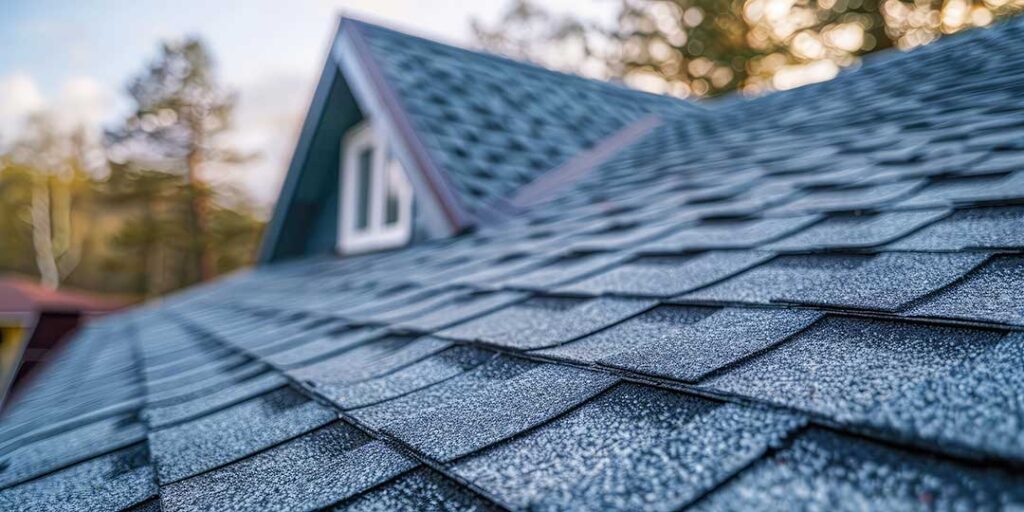
A flat roof appears nearly level, with only a slight pitch to allow water drainage. Sloped roofs have a noticeable angle, sending precipitation off quickly. Each type influences not just how a roof looks, but how it performs year-round.
How Do Local Weather and Climate Affect Roof Choice?
In regions like Endicott where winters are snowy and springs can be rainy, roof slope matters. Sloped roofs naturally shed water and snow, which often results in fewer problems with leaks or buildups. Flat roofs can accumulate snow and standing water, putting more stress on the structure if not carefully maintained.
Key weather factors in this area include:
- Significant snowfall—heavy accumulation can stress flat roofs unless specifically designed to handle weight.
- Cycles of freezing and thawing—which can make water pooling and ice formation more risky on flat surfaces.
- Occasional wind storms—sloped roofs may resist wind uplift more effectively, depending on build quality.
Are Flat Roofs a Practical Choice for Residential Buildings?
Flat roofs can work well for homes, but with caveats. In the city’s residential neighborhoods, flat roofs are more common on apartment buildings, certain ranch or modern homes, and additions.
Advantages of flat roofs include:
- Usable space for rooftop decks, gardens, or equipment like solar panels.
- Modern, clean-lined aesthetic that fits certain home designs.
- Sometimes easier and safer to access for maintenance.
However, local homeowners often encounter challenges specific to flat roofs:
- Drainage requires ongoing attention—clogged drains or slight settling can cause standing water and leaks.
- Roof membranes (like EPDM or modified bitumen) need periodic checks by a knowledgeable person, especially after storms or heavy snowfall.
- Insulation and waterproofing requirements are usually higher than for sloped roofs.
Why Are Sloped Roofs So Widespread in This Area?
Most single-family homes in Endicott feature sloped roofs, and local building practices favor this style for good reason. The pitch allows rain, melting snow, and debris to slide off instead of collecting.
Benefits for area households:
- Faster, more reliable drainage reduces risk of leaks or water damage, especially in freeze-thaw cycles.
- Diverse roofing materials can be used, from asphalt shingles to metal, each with its own pros and cons.
- Longer average lifespan and fewer major repairs, provided the roof is properly ventilated and maintained.
- Architectural versatility—the pitch and shape contribute to curb appeal and attic space.
Sloped roofs do have trade-offs, such as being more difficult and hazardous to walk on, and sometimes costlier upfront due to more complex framing.
Do Flat Roofs or Sloped Roofs Cost More Over Time?
The cost difference depends on materials, design, and how well the roof fits the building’s needs. Initial installation for a flat roof is sometimes less than a complex sloped one, but that savings can be offset by future upkeep.
Consider these ongoing factors:
- Flat roofs may require more frequent inspections, membrane repairs, or waterproofing.
- Standing water issues can mean extra expense if drainage isn’t excellent.
- Sloped roofs, once installed with quality materials, often need less frequent maintenance aside from gutter cleaning and the occasional shingle replacement.
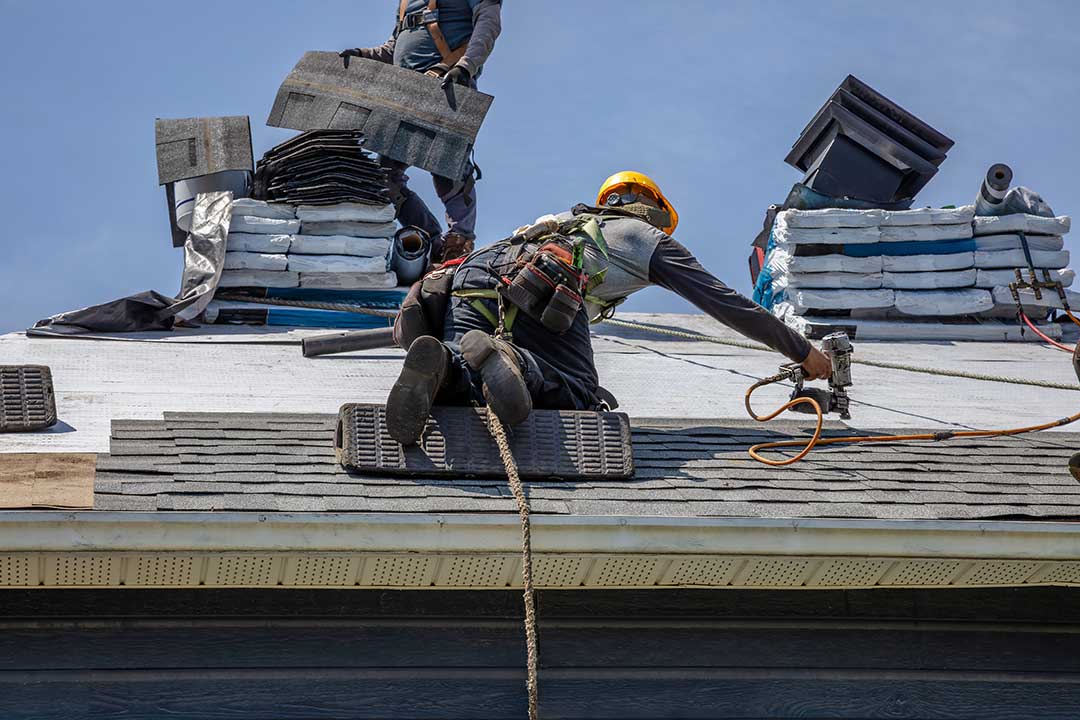
Over a roof’s full lifespan, the total costs may balance out, especially if a flat roof is well designed and diligently cared for.
What Are Common Misconceptions About Flat and Sloped Roofs?
Some local residents worry a flat roof is doomed to leak or last only half as long as a sloped roof. In reality, modern materials have narrowed the performance gap—if maintenance is consistent. Some also believe sloped roofs eliminate all risk of leaks, but ice dams or poor flashing can still cause problems.
Another misconception: that every home is eligible for either roof style. In practice, local building codes and structural design will dictate what’s safe or sensible for a given property.
Which Type Is Usually Easier to Maintain?
Sloped roofs typically demand less day-to-day attention for water management, but maintenance can be risky for those uncomfortable with heights or steep pitches.
Flat roofs, while easier to access, may involve more hands-on care:
- Clearing debris from drains multiple times a year
- Checking for soft spots or edge damage after severe weather
- Replacing roof coatings at appropriate intervals
Being diligent with upkeep helps either roof type last longer, especially in areas with varied, sometimes harsh, seasonal conditions.
What Factors Should Guide Local Homeowners in Choosing a Roof Style?
Choosing between flat and sloped roofs should start with the home’s existing design, local zoning rules, and the owner’s willingness to keep up with maintenance.
Key questions to consider:
- What is the primary use of the roof—living space, equipment, or simply weather protection?
- How does the roof’s design interact with snowfall, tree debris, and water drainage in the immediate neighborhood?
- Is there easy access for future repairs or seasonal cleanups?
- Does the appearance of the roof style fit in with surrounding homes?
- Are there any neighborhood or city guidelines restricting roof types or materials?
For many homes in Endicott, traditional sloped roofs provide simplicity and reliability. Flat roofs can be a strong choice for specialized designs or those seeking a functional rooftop area, so long as owners are prepared for diligent inspection and care.
