
Why Does Roof Debris Matter for Endicott, NY Residents?
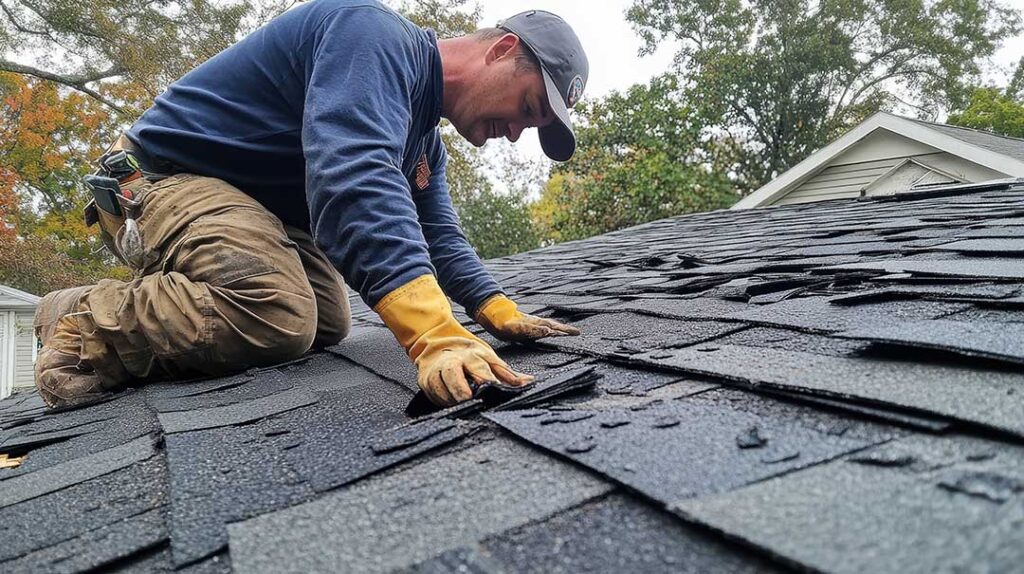
Removing debris from roofs is more than a matter of appearance—it preserves roof health, maintains proper water drainage, and helps prevent expensive repairs. In Endicott, seasonal changes mean that leaves, twigs, pine needles, and even small branches often accumulate quickly, particularly after strong winds or storms. Left alone, this debris can trap moisture against shingles, leading to algae growth, mold, or even leaks. For homes surrounded by mature trees, regular debris removal is especially important to avoid gutter blockages and ice damming in winter.
Is It Safe to Remove Roof Debris Yourself?
It's possible for many homeowners to clear their own roofs, but safety must come first. Roofs can be slippery, especially when wet, icy, or covered in moss. The slope and material (like asphalt shingles or metal) also affect traction and risk. If accessing the roof feels intimidating, avoid climbing up—use ground-level tools or reconsider. Never attempt roof work in windy, rainy, or icy conditions. For more complex or steeper roofs, err on the side of caution.
What Tools Make Debris Removal Easier and Safer?
For most roofs in the area, basic tools suffice:
- A sturdy, properly placed extension ladder with stabilizers
- Soft-bristled brush or roof rake (with a telescoping handle for reaching from the ground)
- Leaf blower with a gentle setting—avoid damaging shingles or causing debris to lodge under flaps
- Work gloves, grippy shoes with rubber soles, and weather-appropriate clothing
Using a plastic shovel or anything with sharp edges risks damaging shingles, so always opt for soft tools.
How Frequently Should Roofs Be Cleared?
Local conditions influence frequency. For homes near leafy trees, expect to clear debris in late spring (after blossoms and seeds fall) and again each autumn, often more than once as leaves drop gradually. After major storms or high winds, a quick check from the ground helps spot new accumulations. In winter, check for buildup of snow, ice, or windblown branches, but do not attempt removal if conditions remain icy or hazardous.
What’s the Proper Technique for Cleaning Shingle Roofs?
Begin with safety preparations—ensure the ladder is secure, and never work alone in case of a fall. Start at the roof peak (if safe to access) and work toward the gutters to avoid pushing material under shingles. Use gentle, downward motions. If using a leaf blower, keep the setting on low to avoid lifting or loosening shingles.
For roofs that are too steep or fragile, a roof rake from the ground can clear loose debris. Rakes with adjustable heads work well for both single-story and two-story homes and prevent unnecessary roof traffic, reducing wear and tear.
Can Gutter Debris Contribute to Roof Problems?
Absolutely. Gutters choked with leaves and twigs, especially in Endicott's autumn, can overflow and force water back under shingles or down exterior walls. Gutters should be checked and cleared at the same time as the roof. Use a scoop or small trowel, then rinse the gutter channel with a garden hose. Downspout blockages can usually be cleared by flushing with water; stubborn debris may require a plumber’s snake.
Are There Ways to Prevent Debris Accumulation?
While it’s difficult to avoid all debris, several local strategies help:
- Trim back overhanging branches each spring and fall (be mindful of local tree regulations and utility lines)
- Regularly sweep or blow decks, patios, and hardscapes to prevent windborne debris from reaching the roof
- In autumn, rake lawns often—leaves left on the ground are more likely to blow onto the house during gusts
- Install gutter guards for persistently clogged systems, but check that guard style is compatible with roof type and snow loads
Common Myths and Mistakes about Roof Debris Removal
Some residents believe rain will wash debris away, but leaf litter often clogs valleys or gutters instead. Another misconception: power washing is safe for all roofs; in reality, forceful water can drive debris under shingles or strip away protective granules. Avoid using salt or de-icing chemicals unless absolutely necessary for winter safety, as these can damage shingles and runoff into yards.
Another frequent mistake is overreaching while on a ladder—a leading cause of falls. Move the ladder as needed instead of leaning sideways. Wear shoes designed for good grip and avoid working alone whenever possible.
What Should You Watch for After Cleaning?
Post-cleaning, check for missing, cracked, or curling shingles and signs of standing water or soggy patches. During the next rainstorm, monitor gutters for overflow or leaks. These signs may reveal hidden issues that debris might have worsened or concealed.
When Is It Best to Wait or Seek Outside Help?
Occasionally, debris removal may be unsafe—such as after ice storms, when branches are tangled in power lines, or if the roof surface is unusually steep or layered with old, fragile materials. In these cases, it's best for residents to prioritize personal safety and consider alternatives, such as using ground-level rakes or working with others for added safety measures. Some situations, like animal nests or evidence of mold, may indicate issues requiring more specialized attention.
