
Does Sun Exposure Really Affect Roofs in Endicott, NY?
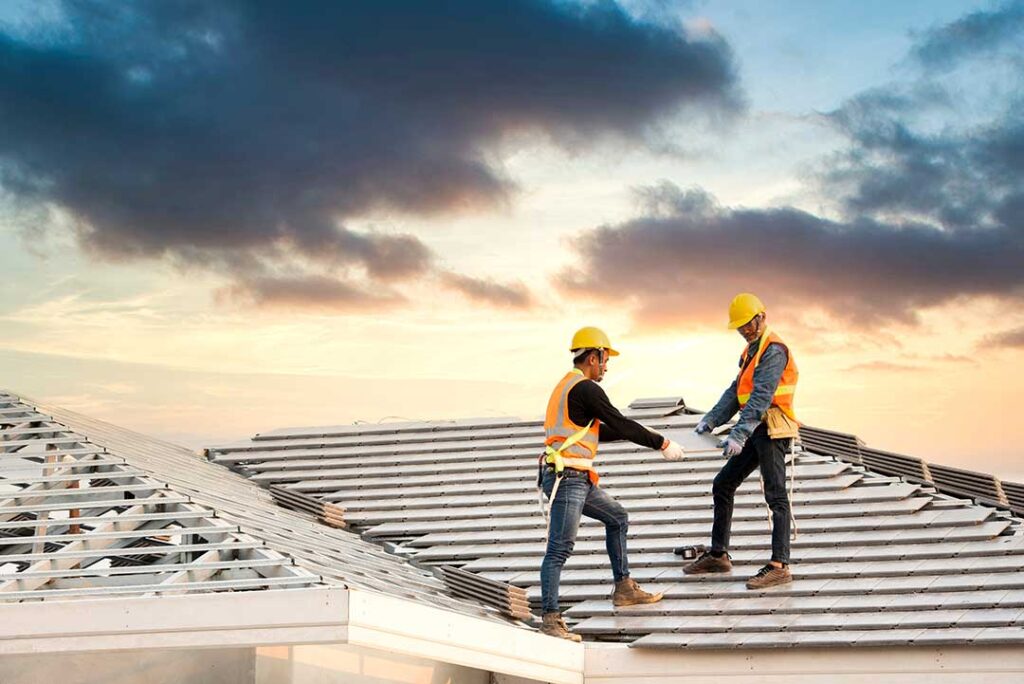
Yes, continuous sun exposure can significantly impact the condition and longevity of roofs throughout Endicott. While local homes deal with a mix of weather types across the seasons, summer brings extended periods of direct sunlight that can gradually deteriorate common roofing materials.
Frequent sunshine—especially when paired with occasional heat waves—causes shingles, sealants, and even the decking beneath to break down over time. This effect is subtle year-to-year but becomes noticeable after several seasons.
What Actually Happens to Roof Materials Under the Sun?
Sunlight emits ultraviolet (UV) rays, which can weaken nearly every roofing material used in Endicott homes. Here’s how typical roof types respond:
- Asphalt shingles: These are widely used locally and are particularly prone to “blistering” and loss of their protective granule layer when exposed repeatedly to heat and UV light. This degradation makes the shingles brittle and more likely to crack.
- Metal roofing: Widespread UV exposure can cause paint coatings to fade or peel, and ongoing temperature swings (hot days, cool nights) can lead to expansion and contraction that slowly loosens fasteners.
- Wood shakes and shingles: Prolonged sun weakens wood fibers, causing them to dry out, split, or curl—concerns that can be aggravated by the freeze/thaw cycles common in area winters.
Residents often underestimate these incremental effects. After five or ten years, early solar damage can become the weak link in what might otherwise be a robust roof.
Are Some Roofs More Vulnerable Than Others Locally?
Certain roof features and settings in Endicott make some homes more susceptible to sun-related wear:
- South-facing slopes: These surfaces absorb the most direct sunlight daily, especially during summer.
- Low-pitch roofs: Flatter areas expose materials to the sun for longer stretches.
- Dark-colored roofs: While popular in some architectural styles, these absorb more heat and tend to age faster than lighter-colored surfaces.
- Roofs with limited tree cover: Yards that lack tall shade trees may see attic temperatures climb higher, cooking the roofing from underneath as well as from above.
Homeowners sometimes think winter is a bigger threat for roof health, but summer sun can accumulate just as much invisible damage.
What Are the Visible Signs of Sun Damage?
It’s not always obvious from the ground, but a few clues can indicate sun’s impact:
- Curling or cupping shingles – Edges or corners begin to lift, exposing layers underneath.
- Faded shingle color – Consistent lightening over time, sometimes unevenly.
- Loss of granules in gutters – Accumulating black or sandy debris indicates shingle surfaces are wearing thin.
- Brittle, cracking areas – When walked on, old sun-baked shingles may snap instead of bend.
Some residents first notice irregular temperatures inside their house or small leaks during thunderstorms. Often, these symptoms can be traced back to long-term roof sun exposure.
Does Sun Affect Roof Insulation and Attics?
Yes. As the roof heats up under direct rays, attic temperatures can skyrocket—sometimes reaching 130°F or more during heat waves in the community. Excessive attic heat can:
- Shorten the effective life of insulation, causing it to settle or lose effectiveness
- Contribute to higher cooling costs for area households
- Increase the risk of mold or warped framing if attic ventilation is insufficient
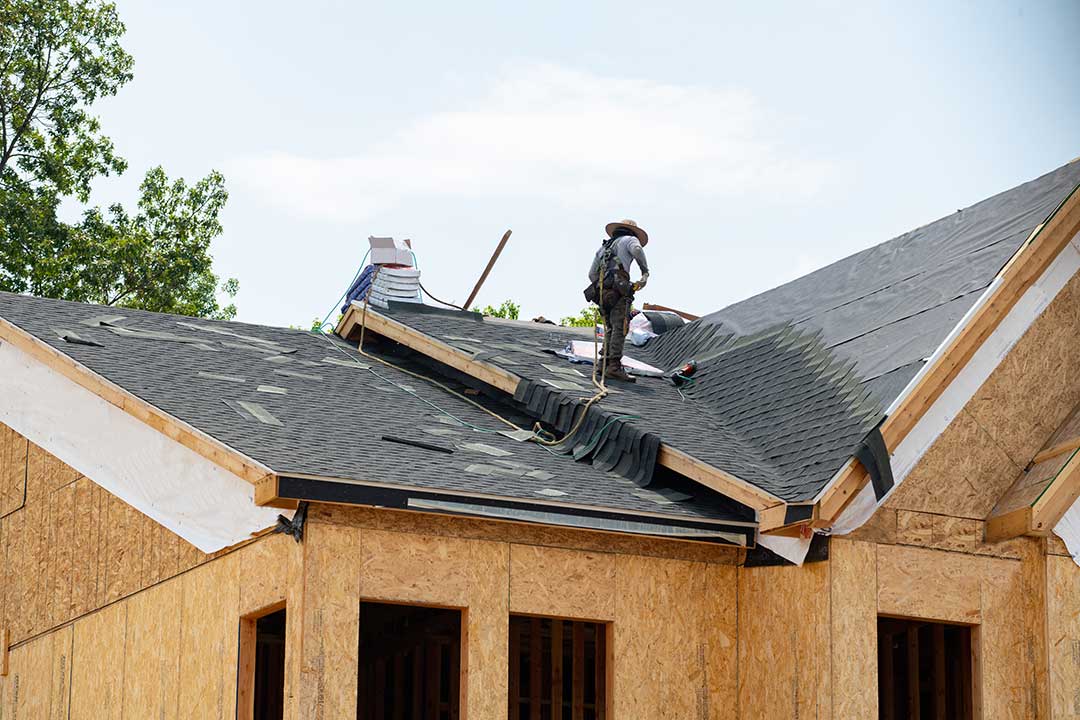
This “heat trap” effect is common in neighborhoods with older homes and can lead to unexpected maintenance issues even if the roofing on top appears intact.
How Fast Does Sun Damage Progress in the Local Climate?
While harsh sun can create visible changes within a few years, most roofs in Endicott develop sun-related wear more slowly, blended with damage from rain, wind, and snow. On average:
- Unshaded, dark-surfaced asphalt roofs can show notable decline in 10-15 years
- Lighter-colored or partially shaded roofs generally perform better over time
- Regular roof inspections (especially after long, hot summers) catch early signs that could otherwise go unnoticed
There’s a widespread belief that cloudy or snowy winters “offset” summer sun, but UV damage is cumulative, not reversible between seasons.
Can Anything Reduce or Delay Sun Damage?
While sun-related deterioration can’t be completely stopped, there are several strategies area homeowners can use to slow it down:
- Choose shingles rated for higher UV resistance if the roof is due for replacement
- Maintain or plant shade trees to shield portions of the roof
- Consider reflective coatings in cases where roof color can be safely changed
- Ensure attics are properly ventilated—this prevents trapped heat from worsening surface breakdown
Routine, safe roof checks and keeping gutters clear help identify problems before they become costly repairs.
Common Misconceptions About Sun and Roofs
Some homeowners believe that only consistently hot climates have to worry about sun exposure. In reality, even moderate, seasonal sun—such as in Endicott's spring and summer—contributes to roof aging. Others assume only visible leaks signal roof trouble, when in fact surface brittleness and attic heat buildup are often earlier warning signs.
Understanding how sunlight quietly ages rooftops alongside rain and snow helps residents make informed maintenance choices throughout the year.
