
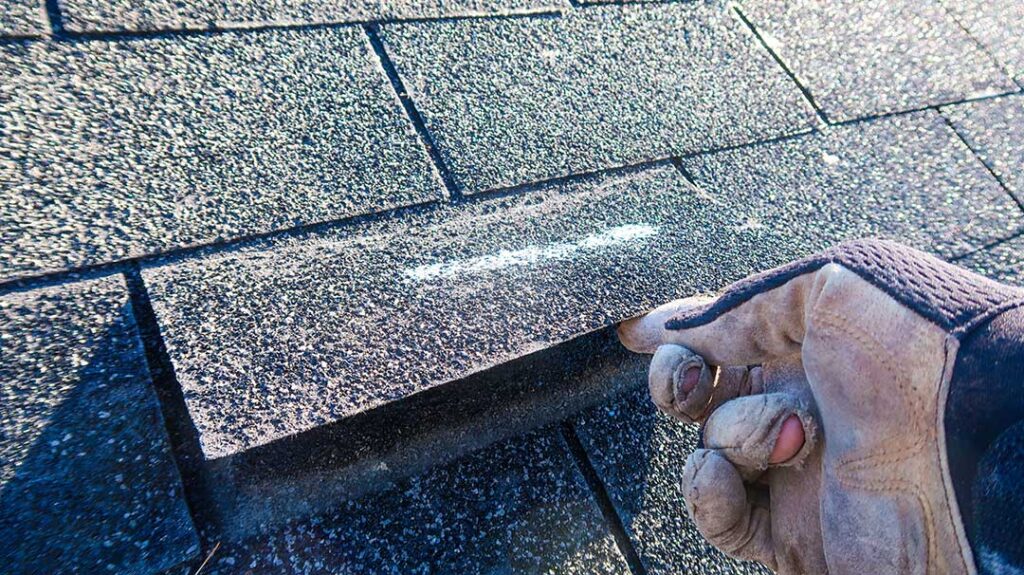
Roof flashing is the thin material installed around roof openings, edges, joints, and changes in direction to keep water from entering the building. Although flashing is often hidden beneath shingles or siding, it is one of the roof’s most important defenses against leaks.
For homeowners in Endicott, NY, flashing deserves attention because roofs must handle snow, ice, rain, freeze-thaw cycles, wind, and falling leaves throughout the year. A small weakness around a chimney, vent, or wall intersection can allow moisture to reach the roof deck, insulation, framing, or interior finishes.
What is roof flashing?
Roof flashing is a water-resistant barrier placed where roofing materials meet another surface or where water could otherwise collect and seep inside. It is commonly made from aluminum, galvanized steel, copper, or specialized flexible materials.
Flashing does not usually stop water by acting like a sealed lid. Instead, it directs water over and away from vulnerable joints. Properly installed pieces overlap in a way that follows the roof’s drainage pattern.
Common locations include:
- Around chimneys and masonry walls
- Along roof valleys
- Around plumbing vents, exhaust vents, and skylights
- Where a roof meets a vertical wall
- At roof edges, eaves, and rakes
- Around dormers and roof-to-wall transitions
- Behind siding where it meets roofing
- Beneath certain roof penetrations and mounted equipment
The exact design depends on the roof shape, the materials used, and how water moves across that particular area.
Why does flashing matter so much?
Flashing protects the places where shingles alone cannot provide continuous coverage. Shingles are designed to shed water across broad roof surfaces, but they are not a complete waterproof system around irregular features.
A roof can look sound from the ground while water is entering through a small flashing defect. Moisture may travel along rafters, sheathing, or wall cavities before appearing as a ceiling stain. By the time the leak is visible indoors, damage may already exist in concealed areas.
Proper flashing helps:
- Redirect rain and melting snow
- Protect roof decking from repeated wetting
- Reduce the chance of rot in framing and sheathing
- Limit moisture intrusion around chimneys and vents
- Prevent leaks caused by movement between different materials
- Extend the useful life of adjacent roofing materials
In climates with winter snow and repeated freezing and thawing, these details experience additional stress. Water can enter a small gap, freeze, expand, and gradually enlarge the opening.
What are the main types of roof flashing?
Different roof locations require different flashing arrangements. The most common types work together rather than functioning as isolated pieces.
Step flashing is installed along the side of a wall, chimney, or dormer. Individual pieces are layered with each course of shingles so water is directed outward instead of behind the wall.
Counterflashing is placed over or into masonry or another vertical surface. Around a chimney, it works with base flashing to cover the upper edge of the water-shedding assembly.
Apron flashing is used where a roof meets a wall or other vertical surface. It typically covers the lower portion of the intersection and directs water onto the roof covering.
Valley flashing protects the internal angle where two roof slopes meet. Valleys carry a large volume of runoff, so poor installation, debris buildup, or damaged materials can lead to serious leakage.
Vent flashing forms a weather-resistant collar around plumbing vents and other pipes passing through the roof. A cracked rubber seal or deteriorated metal base can allow water into the roof structure.
Drip edge is installed at roof edges to guide water away from the fascia and into the drainage system. It also helps protect the edge of the roof deck from moisture.
How can homeowners recognize flashing problems?
Some signs are easy to see, while others appear only inside the home. A flashing problem should be considered when a leak occurs near a chimney, vent, skylight, exterior wall, or roof valley.
Possible exterior warning signs include:
- Bent, loose, rusted, or missing metal
- Cracked sealant around roof penetrations
- Gaps where flashing meets masonry or siding
- Shingles lifting near a chimney or wall
- Water stains or dark streaks below roof intersections
- Damaged flashing after high winds or heavy snow
- Exposed fasteners in places that should be covered
- Debris collecting in valleys or behind raised flashing
Inside the home, watch for brown ceiling marks, damp drywall, peeling paint, musty odors, or moisture near upper-floor walls. These signs may appear weeks or months after the original water entry, especially when insulation or framing conceals the path.
A single stain does not always identify the exact source. Water can travel horizontally before it becomes visible, so the location of an interior mark may be several feet away from the exterior defect.
Do older homes need special attention?
Older houses often contain several generations of roofing repairs, additions, siding, chimneys, and replacement windows. Each change can create a new roof-to-wall transition that depends on properly integrated flashing.
Some older flashing systems may be hidden under multiple roofing layers. Others may use materials that have corroded, cracked, or separated over time. Sealant can also become brittle, but adding new sealant over a poorly designed joint may only delay the leak.
Homes with masonry chimneys deserve particular attention. Chimneys rise above the roof and interrupt normal water flow. Their flashing must account for both the roof covering and the masonry surface, which can expand, contract, absorb moisture, and deteriorate.
Roof additions and enclosed porches can also create difficult transitions. The lower roof may discharge water against a wall or beneath older siding, making correct step flashing and wall integration essential.
Can flashing be repaired without replacing the entire roof?
Sometimes a localized flashing repair is enough, but the correct solution depends on how the flashing is installed and whether surrounding materials are damaged. A loose vent collar, missing piece of step flashing, or small section of damaged drip edge may be repairable without disturbing the whole roof.
Other situations require more extensive work. If flashing is buried beneath shingles, siding, or masonry, the surrounding materials may need to be carefully opened and restored. If water has damaged the roof deck or framing, replacing only the visible metal may not address the underlying problem.
Temporary measures, such as surface-applied sealant, may reduce water entry for a short time but should not be confused with a complete flashing repair. Sealant is a component of some roofing details, not a substitute for correctly layered materials.
What should Endicott residents check after winter?
After periods of snow, ice, wind, and rapid temperature changes, a visual inspection from the ground can reveal useful clues. Look for displaced shingles, exposed metal, damaged chimney areas, and water staining near upper floors.
Avoid climbing onto a wet, icy, or steep roof. Roof edges can be difficult to judge, and ladders may shift on frozen ground. A roof inspection becomes a safety issue when access requires walking on unstable surfaces or near electrical equipment.
It is also worth checking the attic, if safely accessible, for damp insulation, darkened wood, daylight around penetrations, or water trails. Inspections are most informative after or during rainfall, but moisture can remain hidden after a leak has stopped.
Flashing is easy to overlook because much of it is concealed. Yet these narrow strips and layered joints often determine whether water stays outside or enters the home. Understanding where flashing is located and what failure looks like helps residents identify problems earlier and make better decisions about roof maintenance.
