
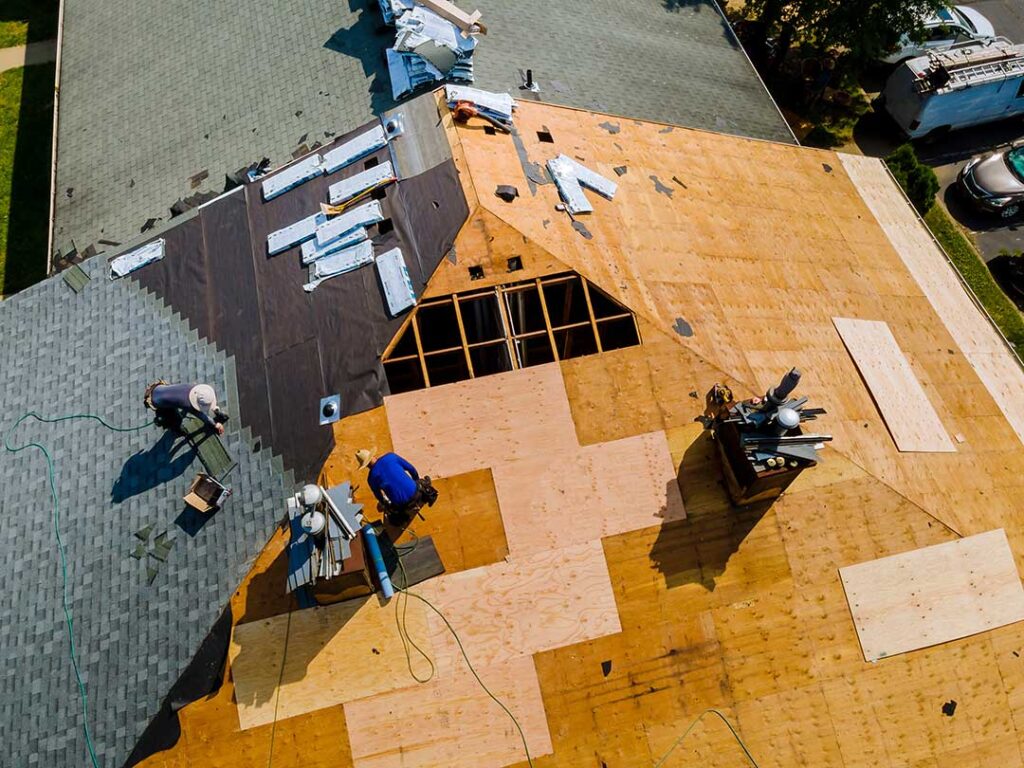
How Do Small Roofing Problems Turn Into Bigger Issues?
Minor roof damage in Endicott, NY—such as a missing shingle, curling edges, or a cracked flashing—can seem harmless at first. Yet, the freeze-thaw cycles, frequent rain, and periods of snow common to local weather mean that even small openings can expand quickly, creating substantial leaks and hidden weaknesses. Moisture that seeps in may go unnoticed until it impacts roofing layers, attic spaces, or exterior walls.
What begins as a minor drip can, over time, rot wooden decking, rust fasteners, and lead to major roof failures. Delaying repairs after storms or wind events, especially during the transitional seasons, risks water infiltration that’s hard to see from the ground but can persist beneath the surface.
What Are the Most Common Effects of Prolonged Roof Leaks?
Persistent leaks in homes around Endicott frequently lead to:
- Discolored ceilings and peeling paint indoors
- Swollen or warped woodwork around roof eaves
- Damp insulation, reducing energy efficiency
- Spread of mold or mildew, especially after rainy or humid periods
These outcomes don’t just affect comfort and appearance. Over months, trapped moisture can degrade insulation R-values, raise heating costs, and reduce overall durability of building materials. Even occasional leaks may allow black mold to grow in attics or between walls, risking health concerns for residents.
Can Untreated Roof Problems Affect My Home’s Structure?
Yes. What may start as a roofing issue can create cascading effects throughout a home’s structure. Local houses often combine older wooden rafters or trusses with modern materials, and prolonged exposure to moisture can lead to:
- Rotting or softening of rafters and decking, weakening the support system
- Corrosion of metal components—like nails and vent attachments—that hold layers together
- Sagging or settling of the roofline, especially following snowy winters and rapid thaws
Over time, this can jeopardize the roof’s ability to bear weight, especially during heavy snowfalls. Evidence of sagging, bowing, or shifting often points to long-term water intrusion that outpaces what straightforward shingle repairs can fix.
How Does Roof Neglect Impact Energy Bills and Indoor Comfort?
Unaddressed damage often leads to gaps, lost insulation, and new air leaks. For Endicott residents, the results typically include:
- Increased heating and cooling expenses due to damp insulation and uncontrolled airflow
- Difficulty keeping upper floors comfortable during both summer and winter
- Drafts or cold spots in areas beneath the roof, especially bedrooms and attic living spaces
Wet insulation never returns to its intended performance—meaning every storm or winter melt can permanently reduce a roof’s thermal protection if leaks are left alone.
What About the Long-Term Value of My Home?
Neglecting roof repairs can significantly reduce your home’s resale value. In Endicott, prospective buyers often look carefully for past water damage or visible roof sag. Signs of past leaks or incomplete repairs can result in:
- Lower appraised home values
- Delays in closing or required credits during sale negotiations
- Mandatory repairs or roof replacements to satisfy buyers or lenders
Buyers are increasingly savvy about roof conditions and the risk of underlying moisture damage. Evidence of chronic issues on a property record—or in the attic—may reduce interest or affect financing options.
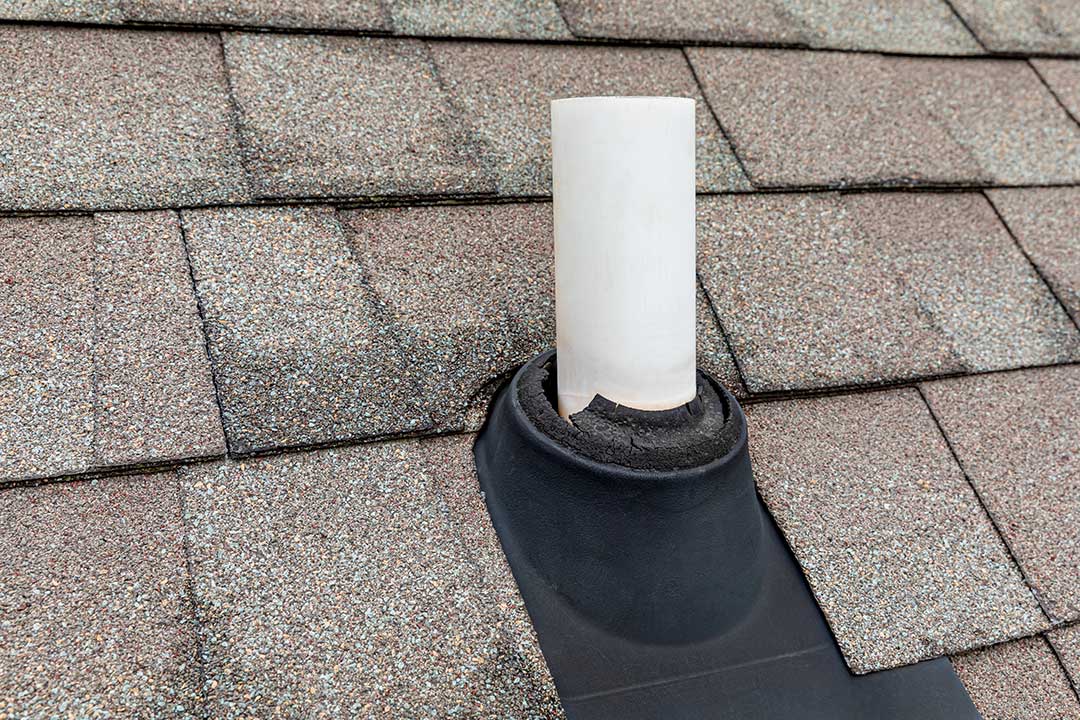
Are There Seasonal Considerations Unique to This Area?
Yes, the local climate plays a direct role in roof condition. Late fall and early spring are especially challenging:
- Heavy winter snow can create ice dams at the edge of roofs. Water pushed under shingles during thaw cycles may exploit unnoticed weaknesses.
- Springtime brings rapid temperature swings and heavy downpours, both of which test past repairs and roof seams.
- Fallen branches or wind-driven debris in storms can dislodge shingles or damage flashing, allowing moisture to enter undetected.
Many area residents only notice problems after seasonal conditions have exposed them—a strong argument for regular inspections, especially following inclement weather or visible ice accumulation.
Is It Safe for Me to Inspect or Handle Minor Issues Myself?
Visual checks from the ground or through attic access can reveal early warning signs, such as:
- Water stains or discoloration on ceilings
- Moldy smells in attic spaces
- Visible sagging or sunlight through roof boards
Simple, safe actions—like clearing visible debris from gutters or noting damaged shingles after a storm—help catch issues early. However, situations involving active leaks during storms, structural sagging, or mold growth are safest left to those with proper safety training and equipment.
What Are Some Misunderstandings About Roof Repairs Locally?
Some common misconceptions among residents include:
- Believing minor leaks will “dry up” in warm weather. In reality, ongoing humidity and temperature swings allow trapped moisture to persist and spread.
- Assuming that visible damage is the only concern. Many significant leaks originate beneath intact-looking surfaces.
- Expecting quality repairs to be simple or inexpensive, even if the damage has persisted for several seasons. Old or widespread leaks often require more involved solutions.
Regular attention and timely maintenance provide the greatest protection against escalating costs and long-term problems.
