
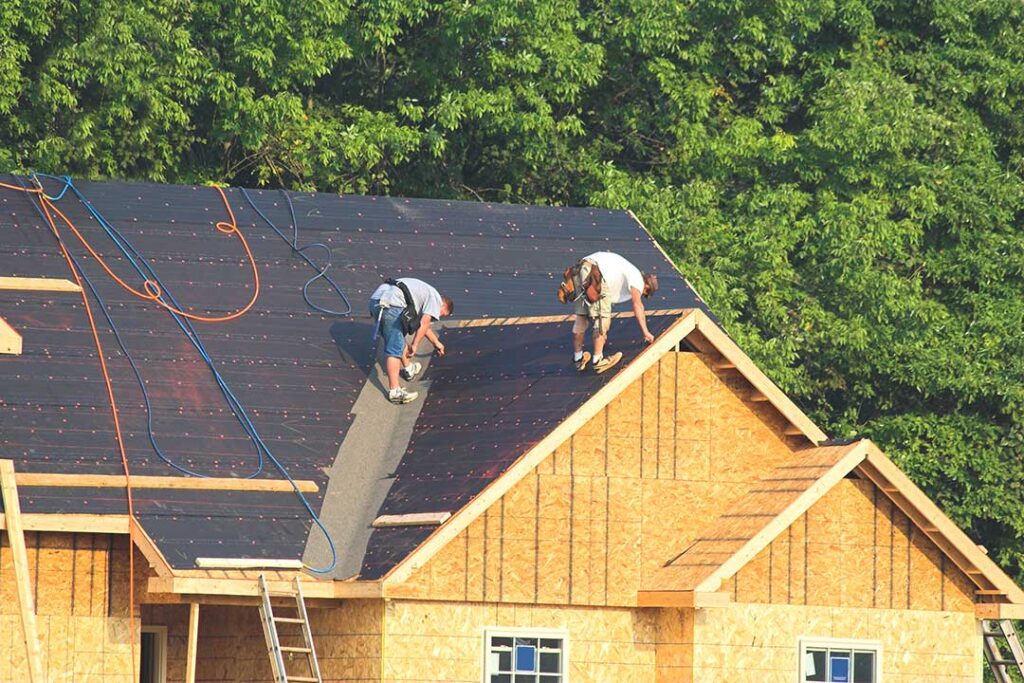
What Is Roof Pitch?
Roof pitch describes the steepness or slope of a roof, typically expressed as a ratio of the vertical rise to the horizontal run. For example, a roof that rises 6 inches for every 12 inches of horizontal length has a “6:12” pitch. This terminology is standard across the building and roofing industry, helping residents and contractors communicate more clearly.
For local homes, roof pitch can range from flat (very low slope) to sharply peaked. The difference is much more than just appearance—pitch affects how roofs shed water and snow, how attics are ventilated, and even what kinds of roofing materials make sense for the local weather.
Why Does Roof Pitch Matter in Endicott?
Roof pitch plays a big role in how roofs handle regional weather, especially the snow and rain common in Endicott, NY.
A steeper roof allows snow and rain to slide off more easily, reducing the risk of moisture lingering and causing leaks or structural strain. In neighborhoods with tall trees, slope can also affect how debris accumulates—or how quickly it slides off after a storm.
In flat or low-slope roofs, water can pool, leading to greater risks of leaks and eventual roof damage. This makes understanding pitch critically important, not just for choosing replacement materials, but also for routine maintenance schedules and expectations.
How Is Roof Pitch Measured?
Roof pitch is calculated using simple measurements. The most common method uses a level and a tape measure in the attic or on the roof itself.
- Place a level horizontally on the roof, extending 12 inches from a starting point.
- At the 12-inch mark, measure the vertical rise from the base to the roof surface.
- The result is the pitch: a "4:12" roof rises 4 inches for every 12 horizontal inches.
While many Endicott homes fall in the 4:12 to 9:12 range, older homes or outbuildings in the city sometimes have lower or higher pitches that can affect their repair needs and durability.
Which Roof Pitch Is Best for Local Climate?
A roof pitch between 6:12 and 9:12 is often used for homes in the region, balancing efficient snow shedding with safe accessibility for maintenance. Steep roofs encourage snow to slip off before it accumulates too heavily, decreasing load stress during winter storms common in the area.
Flat or low-slope roofs are generally seen in commercial buildings or certain ranch-style homes. These require robust waterproofing solutions and more frequent inspections, since pooled water or melting snow can accelerate roof aging.
When changing roof material or structure, local building codes may specify minimum or maximum pitches for safety and drainage. For Endicott, following these standards is important both for performance and for insurance compliance.
What Problems Can the Wrong Roof Pitch Cause?
Matching roof pitch to local needs is about more than curb appeal. Several practical issues can develop if slope isn’t appropriate for the climate:
- Poor drainage leading to standing water, leaks, or rot
- Excessive snow buildup increasing risk of ice dams or structural collapse
- Difficulty ventilating attics, which may increase energy bills or lead to mold
- Incompatibility with some roofing materials, like shingles (which perform best above a certain pitch)
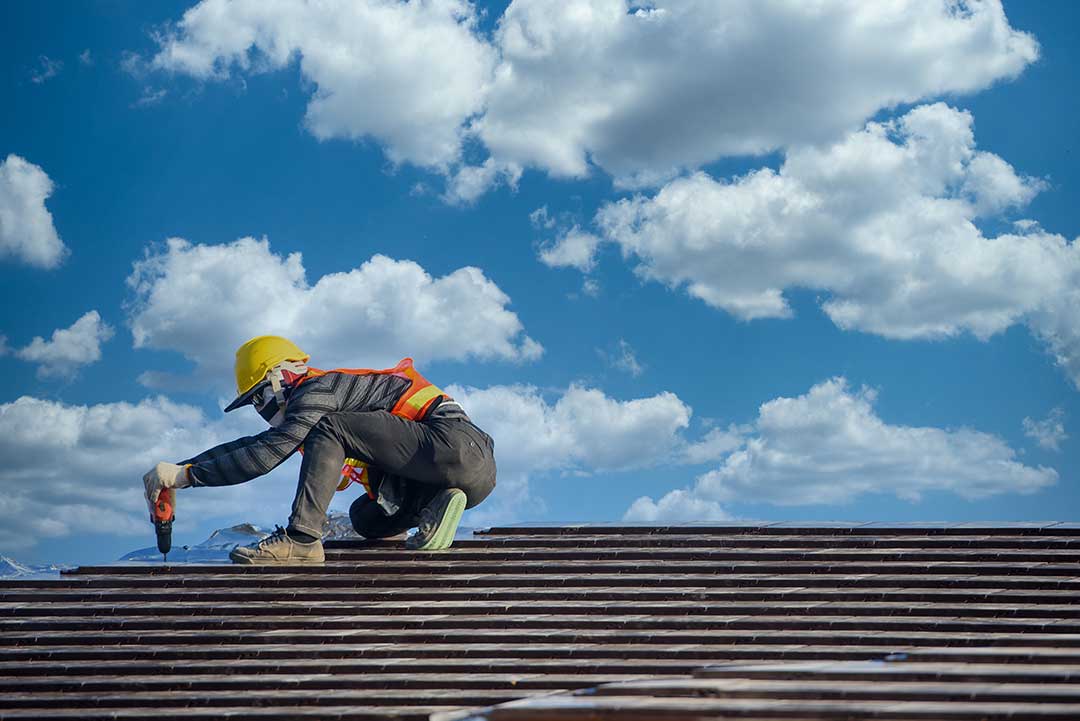
Some area homeowners underestimate these factors when adding additions or updating roofs, only to experience moisture issues or premature wear, especially after harsh winters.
Are Certain Roofing Materials Better Suited to Specific Pitches?
Not every roofing material can be used on every roof. Asphalt shingles, the most common material in residential areas, are suitable for slopes steeper than 2:12. On very low-slope or flat roofs, rolled roofing or rubber membranes are often used to create a watertight barrier.
For historic or distinctive homes, materials like slate or metal may also be used, but all depend on matching the right pitch for longevity and manufacturer warranty compliance. Choosing the right combination improves resilience in Endicott’s mix of wet springs, humid summers, and often-snowy winters.
What Should Local Residents Consider Before Changing Roof Pitch?
Altering roof slope is a major project, generally considered during extensive renovations or repairs following damage. Local households should always check with area building authorities to understand requirements, as many aspects—from appearance in residential zones to snow load standards—are regulated.
Other factors to consider include:
- How neighboring homes manage snow and water—this affects runoff and may prevent drainage conflicts
- Attic access and usable space, which may change with a steeper or shallower roof
- If guttering or downspouts need adjustment to accommodate new slopes
Misjudging roof pitch or failing to consider these factors can introduce costly, long-term problems for both the home and surrounding properties.
What Are Common Misconceptions About Roof Pitch?
A frequent misconception is that steeper slopes are always better. While steeper roofs shed snow efficiently, they can be more expensive to build and maintain, and may not work well with certain historic home designs seen in the area.
Another is that flat roofs cannot work in heavy snowfall regions. With correct waterproofing, insulation, and routine care, flat and low-slope roofs can be durable, though they require a more proactive approach to maintenance.
Finally, residents sometimes believe roof pitch is purely an aesthetic choice. In reality, it has fundamental implications for repair costs, home safety, interior comfort, and long-term durability, especially given local weather variability.
